GSM vs. Bluetooth Modules: Which One Is Best for Your Project?
GSM and Bluetooth modules are two of the most commonly used wireless communication modules in modern DIY projects. What’s more, they have proven to be more reliable and easy to integrate than other types—like Wi-Fi modules that require an internet connection.
While it may seem like an easy pick, understanding the fundamental differences between these two module types can be crucial in selecting the right wireless connectivity for your project. Let’s take a look at what these modules are, detailing their core differences, and a comparison between the two for different use cases.

GSM Modules
GSM (Global System for Mobile communications) modules are wireless communication modules that use cellular networks to send and receive data. GSM networks are mobile networks that use a set of standards and protocols to provide mobile voice and data services to users.
Second-generation (2G) digital cellular networks all around the globe use the network technology—that’s how robust these modules are.
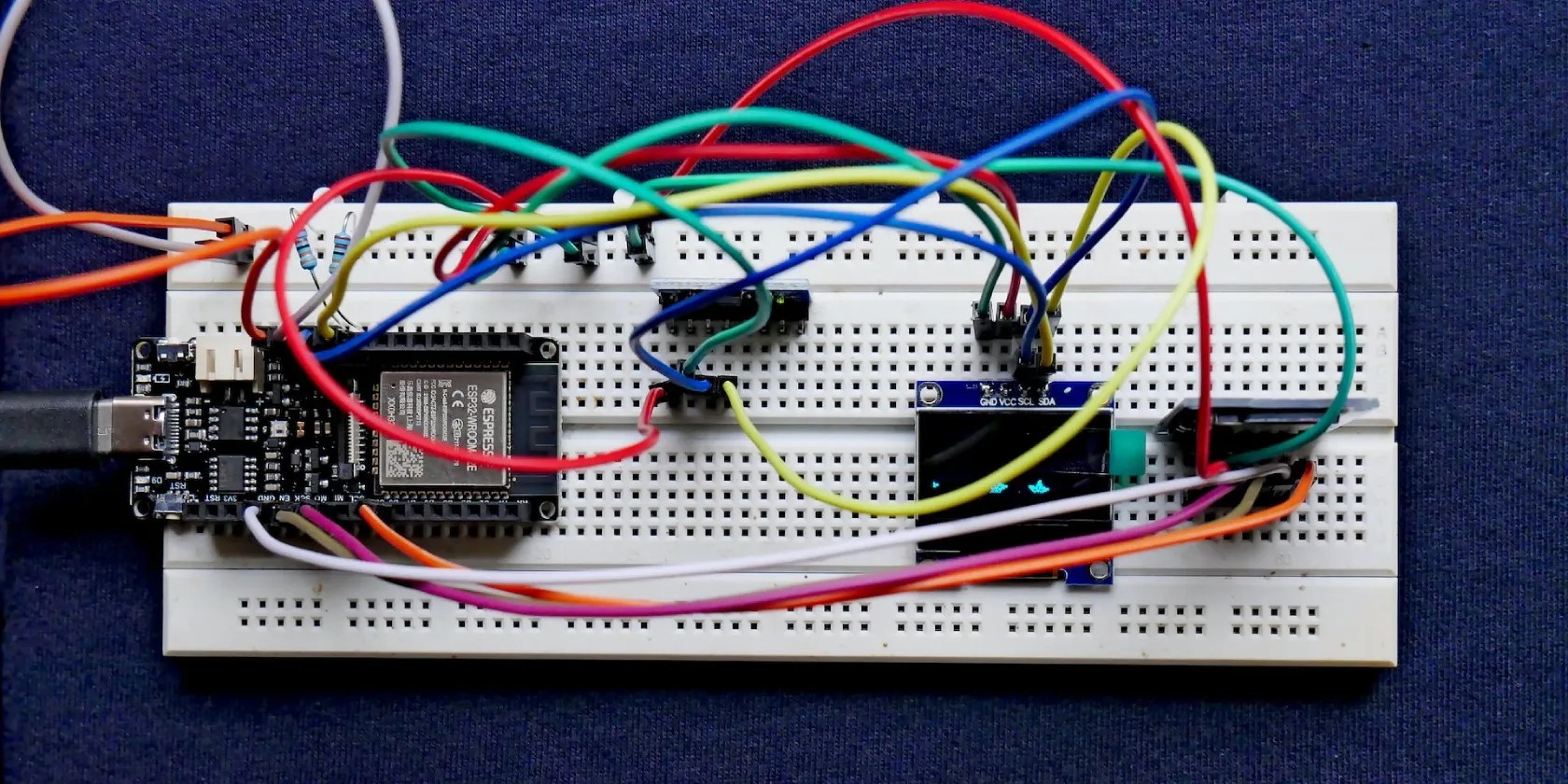
You may find it a little confusing to differentiate GPRS modules from GSM modules. The two are not the same but are nevertheless related. And the truth is, some modules feature both technologies fabricated on the same board. However, it’s important to note that GPRS is a development of the GSM standard that complements the voice services provided by GSM with data services.
It’s only reasonable to use a GSM module for projects that require real-time data transmission over long distances, such as remote monitoring or tracking. For example, if you are building a GPS tracker for your car, a GSM module would be a good choice because it can transmit the location data to your phone from anywhere in the world.

Bluetooth Modules
Bluetooth modules use Bluetooth technology to transmit data and receive data. Bluetooth is a wireless communication standard that enables devices to communicate over short distances. If you’d like to know more about Bluetooth, we’ve coveredhow Bluetooth actually worksin detail.
When choosing a module, you should greatly consider the distance between your two devices. The allowed distances depend on the classes of Bluetooth devices, with Class 1 devices having a range of up to 328 feet and Class 4 devices having a range of only up to about 2 feet.

One of the main advantages of Bluetooth modules is that they have a lower power consumption than GSM modules, which means they are ideal for projects that are powered by batteries. If you are pressed for power within your project, then maybe a Bluetooth module could be the answer you are looking for.
Bluetooth modules are also more affordable than GSM modules, which makes them a popular choice for hobbyists and makers.

GSM vs. Bluetooth Modules
When choosing between GSM and Bluetooth modules, there are several factors to consider. While it’s true that the nature of your project plays an important role in this decision, some aspects to consider include the following.
If your project requires you to send data over long distances, then your only option here is to use a GSM module. They can cover a range of several kilometers depending on the network availability. For short-range communication, other factors come into play when choosing between the two.
Power Consumption
Bluetooth modules have a lower power consumption compared to GSM modules. This makes them ideal for battery-powered IoT projects. It’s pretty common to find compact battery-powered DIY projects nowadays. If at all you aim to get better battery life, then use a Bluetooth module.
Bluetooth modules are generally cheaper compared to GSM modules. GSM modules have complex hardware to facilitate communication over cellular networks. Subscription to network providers is also an extra cost incurred when using GSM modules.
Data Transfer Rate
This is important especially when you are deploying actuators that need to act in real-time. Bluetooth modules have a higher data transfer rate compared to GSM modules. GSM modules typically operate with an over-the-air bit rate of 270kb/s whereas Bluetooth 5 technology supports a data transfer rate of up to 2Mb/s (i.e. 7.4 times faster).
Network Availability
You have to remember that GSM modules rely on network availability. You are more likely to experience delays in the transmission and reception of data if you don’t have a stable network. In such cases, you are better off using a Bluetooth module.
If you are dealing with a sensitive system in your project, say it’s a project involving your home security system, security is of utmost importance.Is Bluetooth secure?
GSM modules are more secure compared to Bluetooth modules. They use encryption algorithms to secure data transmission and prevent unauthorized access. Bluetooth modules, on the other hand, are more vulnerable to attacks and can be easily hacked.
Examples and Use Cases | Bluetooth
There are several popular Bluetooth modules that you can use in your project. They all have distinctive features that make them suitable for different applications. But, in a situation where you were to send payloads over wireless communication from sensors to your microcontroller, here are some of the options you have:
HC-05 Bluetooth Module
This module is popular due to its low cost and ease of use. It is compatible with a wide range of microcontrollers and single-board computers, including the Arduino and Raspberry Pi. The HC-05 is commonly used with short-range projects with very impressive response times.
HM-10 Bluetooth Module
The HM-10 is a go-to choice when it comes to low power consumption and long-range capabilities. It is also compatible with most SBCs and microcontrollers. It is often used in projects that require low-power wireless communication, such as smart home automation systems.
Examples and Use Cases | GSM
Depending on the complexity of your project, there are different GSM modules available for use. Here are some that you may find handy in your projects:
SIM800L GSM Module
You may have seen, if not used this one before. It’s one of the most popular GSM modules, because of its low power consumption and compact size. The module has multiple interfaces—UART, SPI, and I2C—making it compatible with various microcontrollers like the ESP32 and Arduino boards, and SBCs like the Raspberry Pi.
This module is mostly used for lightweight communication over long distances like sending SMS alerts in IoT projects and setting up emergency systems.
SIM900A GSM Module
The SIM900A is a widely used GSM/GPRS module that supports multiple frequency bands, SMS, voice call, and GPRS multi-slot class 10/8 functionalities. This module is most suitable for location tracing projects. The built-in TCP/IP stack enables secure data transmission, and it supports HTTPS and FTP protocols.Microcontrollerslabhas an extensive guide on everything you need to know about this module.
It’s compatible with many SBCs and microcontrollers like the Raspberry Pi and most Arduino development boards.
Quectel M95 GSM Module
The M95 is another cost-effective quad-band GSM/GPRS 2G module. It is compatible with most microcontrollers. The M95’s small size makes it ideal for size-sensitive IoT applications, including personal tracking, industrial PDAs, and smart metering.
Which One to Use
GSM and Bluetooth modules are both useful wireless communication modules that can be used in a wide range of IoT projects. GSM modules are best suited for projects that require long-distance communication and real-time data transmission, while Bluetooth modules are best suited for projects that require low power consumption and high-speed data transmission.
Want to make an Internet of Things project with your Raspberry Pi? Check out these inspiring IoT ideas.
These films will leave you questioning humanity, but also wanting more.
This small feature makes a massive difference.
Don’t let aging hardware force you into buying expensive upgrades.
One casual AI chat exposed how vulnerable I was.
So much time invested, and for what?
