How to Disable or Remove Hyper-V in Windows 11
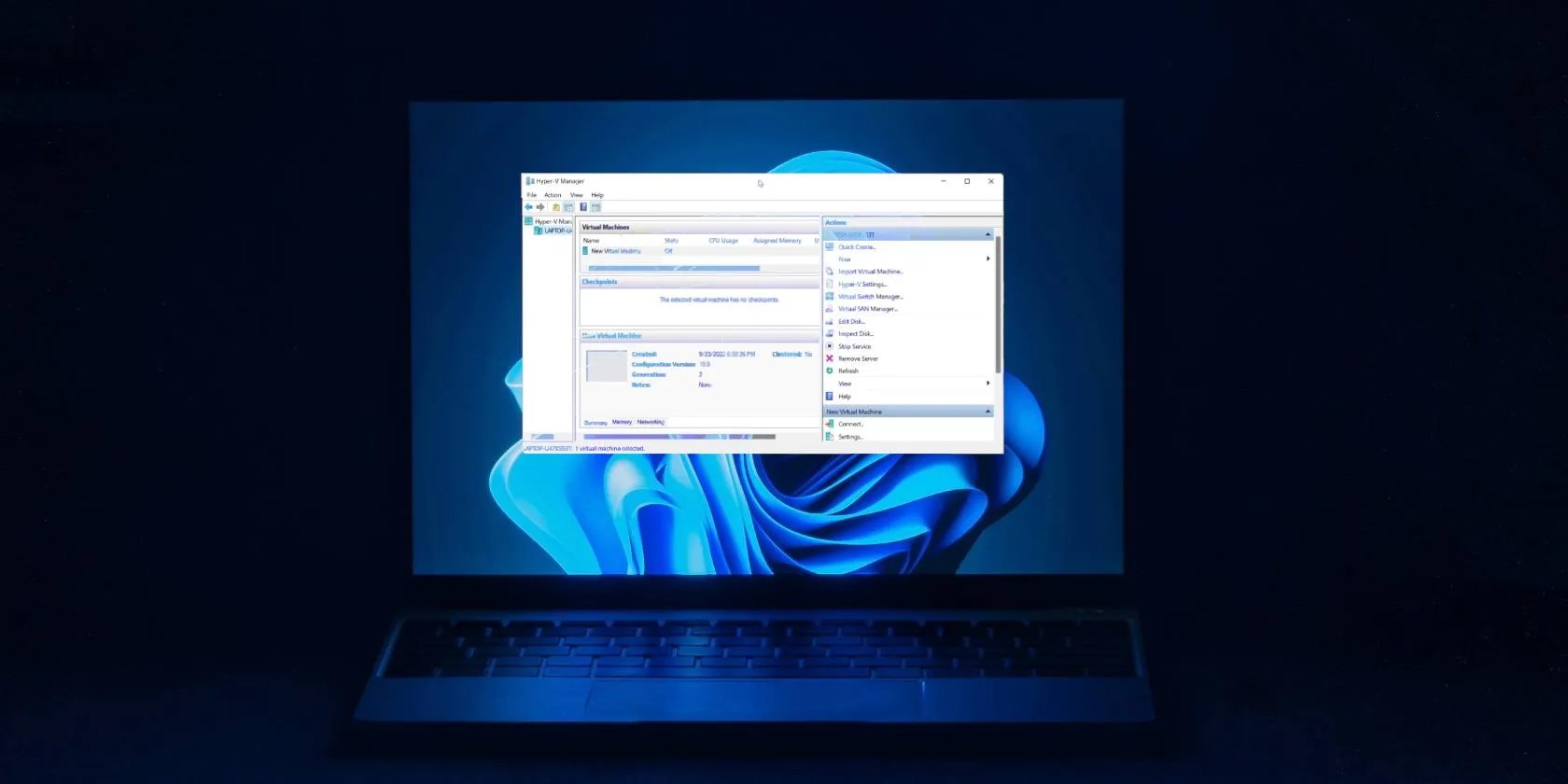
Hyper-V comes pre-installed on Windows 11 computers. While this virtualization tool is not available out of the box on the Home edition of the OS, you can install it with a batch script.
Unfortunately, Hyper-V can conflict with third-party apps on your PC, including other virtualization tools such as VMWare Workstation, VirtualBox, and emulators. As a result, you may encounter the Hyper-V detected error when trying to launch an app, PC games, or hardware tuning utilities.

Luckily, it’s possible to disable Hyper-V in Windows 11 with the help of the classic Windows Features dialog, Command Prompt, and PowerShell.
Why You May Need to Disable Hyper-V
By design, only one virtualization tool can use the integrated virtualization extension, such as Intel VT-x and AMD-V, available on your processor. If you need to use third-party virtualization software, including VMware WorkStation and Virtual Box, you must disable the Hyper-V Hypervisor.
You may also need to disable other hypervisor-dependent features, including Device Guard, Credential Guard, and memory integrity feature part of Core Isolation in Windows Security.
How to Check if Hyper-V Is Running on Windows 11
You can access the System Information app to determine if the Hyper-V virtualization is running. This is useful if you need to verify the Hyper-V hypervisor status after or before disabling it.
To check the Hyper-V hypervisor status on your computer:

1. How to Disable Hyper-V via Windows Optional Features
TheWindows Features dialog lets you add additional featuresdisabled by default in Windows 11. you’re able to also use it to disable some advanced features, including Hyper-V.
Note that to fix the Hyper-V detected error, you must disable the Virtual Machine Platform and Windows Hypervisor Platform feature in addition to Hyper-V.

To disable Hyper-V using the Windows Features dialog:
2. How to Disable Hyper-V Using BCDEDIT
you may disable Hyper-V in boot configuration using the BCDEdit tool. This is useful if you only want to deactivate Hyper-V and not uninstall it completely.
To disable Hyper-V using BCDEdit:

Additionally, you can use the BCDEdit tool to perform other advanced tasks, such asdeleting the old boot menu optionsandadding a safe mode shortcut to the Windows 11 boot menu.
3. How to Uninstall Hyper-V Using the Command Prompt
If the Windows Features dialog fails to remove Hyper-V, you can use the Command Prompt to disable the hypervisor. Here’s how to do it:
After the restart, you’re able to run your games and other hypervisors without the error. If not, open the Windows Features dialog, disable theVirtual Machine PlatformandWindows Hypervisor Platformoptions, and restart your PC to turn off Hyper-V Hypervisor.
4. How to Disable Hyper-V Using PowerShell
If you prefer PowerShell, use the WindowsOptionalFeature cmdlet to disable Hyper-V in Windows 11. To do this,launch PowerShell with admin privilegesand execute the command. Here’s how to do it:
How to Uninstall the Hyper-V Virtual Network Adapter
During the restart following the uninstallation of Hyper-V, you may frequently encounter the message, “We couldn’t complete the updates, undoing changes.” To resolve this issue, ensure the Hyper-V virtual network adapters are deleted from your PC. You can delete the virtual network adapter from Device Manager.
To delete Hyper-V’s virtual network adapters:
Do not remove theMicrosoft Wi-Fi Direct Virtual Adapter.
How to Turn Off Virtualization-Based Security (Memory Integrity)
If you encounter the Hyper-V detected issue even after you disable Hyper-V, try to disable the Memory integrity feature in Windows Security. The Memory integrity feature is part of Core Isolation. It helps prevent hackers from accessing and infecting high-security processes using malicious code.
By default, Windows disables the Memory integrity feature to avoid conflict with apps and device drivers due to incompatibility issues. This can also cause issues with third-party virtualization tools and programs needing access to your system’s virtualization hardware.
To turn off Memory integrity in Windows Security:
How to Disable Device Guard and Credential Guard
Device Guard and Credential Guard don’t play well with other virtualization software, including VMware Workstation. You may encounter an error saying Device Guard/Credential Guard is enabled when trying to power on the VMware Workstation.
Since you intend to use third-party virtualization software, it’s possible to safely disable Device Guard and Credential Guard using the Registry Editor.
That said, modifying the Windows Registry involves risk. We recommend youcreate a restore pointandtake a registry backupbefore attempting any modifications.
To disable Device Guard and Credential Guard:
Restart your computer to apply the changes and disable Device Guard and Credential Guard. If you ever need to enable these features, modify the value data and change it to1.
Disable Hyper-V in Windows 11 to Run Third-Party Virtualization Tools and Apps
Hyper-V is an excellent utility if you want an out-of-the-box virtualization solution. However, you must disable Hyper-V to use third-party virtualization software, including VirtualBox and WMware Workstation.
Fortunately, you can easily disable the Hyper-V Hypervisor and other Virtualization-based Security solutions to use third-party hypervisors without errors.
VirtualBox, VMware, and Hyper-V dominate the market. Which virtual machine software is the best?
Not Linux, not Windows. Something better.
My foolproof plan is to use Windows 10 until 2030, with the latest security updates.
If an AI can roast you, it can also prep you for emergencies.
The best features aren’t the ones being advertised.
Unlock a world of entertainment possibilities with this clever TV hack.
