What Is Lens Distortion in Photography? How to Avoid or Fix It
We all want a camera with as many megapixels as possible. But, there is so much more to photo quality than resolution. From blurriness to bad composition and chromatic aberration, there are many things you should avoid in order to get excellent quality photos.
One such issue that you’ll come across often is lens distortion. If you’re a beginner photographer, chances are, you won’t even notice it. But, it is a good idea to learn what it is and the necessary steps to tackle it.

What Is Lens Distortion?
We say a photo is “distorted” when the lines and shapes look misshaped. This happens due to issues in your lens or because of how the lens is designed.
A lens is made of many optical elements that refract and bend the light rays. Sometimes, the geometrics of a lens can cause distortion in the image. Distortion is common in low-quality lenses, but even expensive lenses can suffer from distortion.
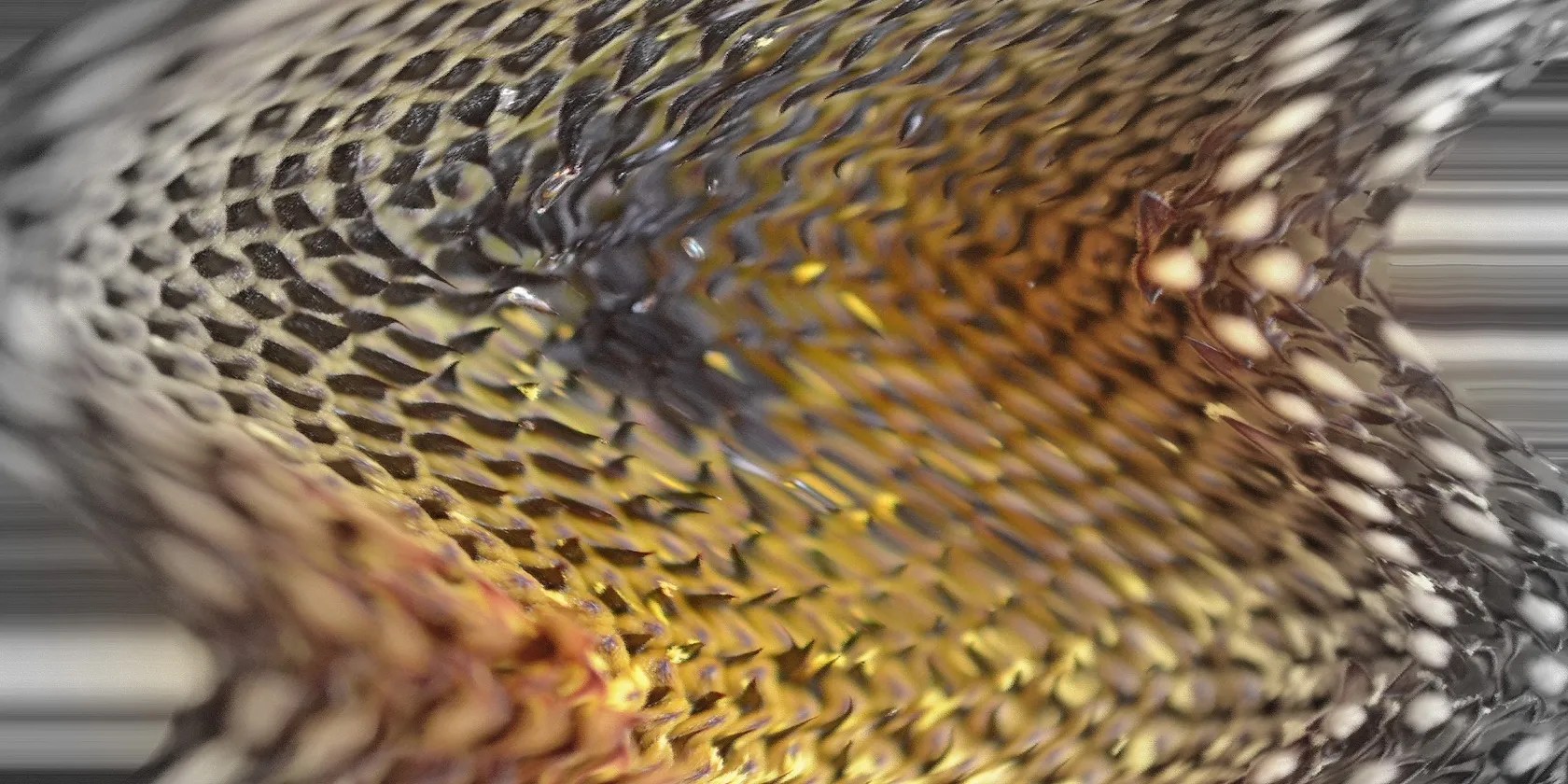
If you’re a fan of wide-angle lenses, you will know that distortion is typical in them. This is because your camera sensor’s field of view is often smaller than that of a wide-angle lens, so the edge of the images looks warped. Regardless, there areseveral benefits to owning a wide-angle lens. Fish-eye lenses are designed to distort the photos purposefully.
Types of Lens Distortion
Before knowing how to correct lens distortion, you should know the types of distortion. Different types of distortion will need different correction techniques.
There are two main types of lens distortion.

Optical Distortion
This type of distortion occurs due to your lens' optics. A standard lens is supposed to be rectilinear, where the straight lines appear as straight lines without any distortion. However, if a lens is curvilinear, the straight lines appear curved. A fish-eye lens is the perfect example of a curvilinear lens.
Although standard lenses are designed as rectilinear lenses, all lenses suffer from varying degrees of distortion.

Optical distortion can occur in three ways.
Barrel Distortion

In this type of distortion, the straight lines bulge outward, taking up the shape of a barrel. Barrel distortion frequently occurs in wide-angle and wide-angle zoom lenses because their field of view is often bigger than the camera’s sensor. So, the corners end up squished in the frame.
When your lens has barrel distortion, the images look as if they are stretched out in the middle but compressed in the corners.
Pincushion Distortion
Imagine a pincushion—you can see the pin pulling the corners in. Similarly, you will notice the straight lines bending inward in pincushion distortion. It looks like the exact opposite of barrel distortion. And the culprits causing it are the opposite of wide-angle lenses—telephoto lenses, especially the zoom ones.
A telephoto zoom lens disproportionately magnifies the objects at the image’s corners, so you see stretched-out corners but a pinched middle.
Mustache Distortion
This type of distortion is a combination of barrel and pincushion distortion. In mustache distortion, the straight lines in the corners curve inward while the ones in the center bulge outward, resembling a mustache.
It is a complex distortion that is quite difficult to correct, but you’re more likely to encounter it only in old lenses.
Perspective Distortion
This type of distortion has nothing to do with your lens. Instead, it happens due to the camera’s position and distance from the subject.
Extension (Wide-Angle) Distortion
Have you tried using your wide-angle lens for portrait photos? You probably would have hated the result. A wide-angle lens can make the faces appear unnaturally big. But, this is not the wide-angle lens' fault. The problem is you’re too close to your subject.
Generally, objects that are very close to you will appear larger. This is because you tend to stay too close to the subject with a wide-angle lens. When you use a telephoto lens, you’re forced to step back from your subject. That’s the reason why telephoto lenses are one of thepreferred lenses for portrait photos.
In short, extension distortion extends the distance between the foreground and background.
Also, when you use wide-angle lenses for photographing tall buildings, they tend to appear wide at the bottom and merge at the top. This happens due to the angle of view, and the nearest part to you looks disproportionately bigger.
Compression (Telephoto) Distortion
In compression distortion, the objects farther away appear unusually large. Essentially, it is the opposite of extension distortion and happens in telephoto zoom lenses.
Compression distortion closes the distance between the foreground and background, making the image look compressed.
How to Correct Lens Distortion
it’s possible to correct the common distortions like barrel and pincushion with post-production software. For instance, Lightroom has a Lens Corrections option. When you check the Enable Profile Corrections, the software can find your lens in the database with the metadata and automatically apply the correction. Here’s aguide on using Lens Corrections in Lightroom.
Mustache distortion, on the other hand, will require special software to correct.
For correcting perspective distortion, your best bet is to check the distance between you and your subject and tweak it accordingly. For example, don’t get too close to your subject when using a wide-angle lens to avoid extension distortion. And, for telephoto lenses, opt for a wide aperture so that the background details are blurred.
If your image is heavily distorted, you may use the Transform tool in Lightroom to fix it. It works well for perspective distortion.
Using Distortion Artistically
You can certainly leave your image distorted and call it artistic freedom. Lenses like fish-eye and tilt-shift are made for this purpose. It is good to know the type of distortion you’re dealing with and then decide what to do with it.
In the end, it is up to you as a photographer to decide how you want your images to look. But know the rules before you break them.
Know the Basics to Avoid Lens Distortion
All lenses have some sort of distortion because of their design. It is not a big deal, but it can be annoying. However, you can easily avoid it by paying attention to the distance and angle from where you are shooting. Also, invest in good quality lenses to reduce distortion in your photos.
If all else fails, you have post-production software to your rescue.
If you’re a photographer, you already know how annoying chromatic aberration can be. Why exactly does it happen, and how can you avoid it?
Freeing up vital memory on Windows only takes a moment, and your computer will feel much faster once you’re done.
Not all true crime is about hacking, slashing, and gore.
You’ve been quoting these famous films wrong all along!
So much time invested, and for what?
You can’t call this offline, Notion.
