What Is Malspam and How Can You Protect Yourself?
The online world is very dynamic and constantly changing, which means that new threats are always emerging. One of those potentially dangerous and ever-growing cyber security threats is malspam.
Malspam is a type of spam that uses malicious code to infect computers. It is important to understand what malspam is and how it works in order to prevent yourself from becoming a victim.

What Is Malspam?
The term malspam is a combination of the terms “malicious” and “spam.” It is an unsolicited email that contains malicious content, such as links or attachments with viruses or malware. These emails can often be challenging to detect, as they may appear to be legitimate messages from known contacts.
In addition, they are often sent in large quantities, which can make them difficult to filter out from regular email traffic. They are also sent to large groups of people in an attempt to infect as many computers as possible.

Malspam can cause a variety of problems for businesses and individuals, including infection with malware, financial loss, and data theft.
The goal of the sender is to get the recipient to click on the link or open the attachment, which will then install malicious software or launch malicious scripts. This action allows the attacker to gain access to the victim’s system and perform malicious activities such as stealing sensitive data or holding the system for ransom.

How Is Malspam Created?
Malspam is created and sent out by cyber criminals who use automated techniques to generate large numbers of malicious messages. This can include using botnets, which are networks of compromised computers that act as drones and send out large amounts of spam without the knowledge or permission of the owners of those computers. Other methods include email address harvesting (where attackers search for exposed email addresses on the web) and spoofing (where attackers send emails that appear to be from legitimate sources).
These automated tools can target specific groups of people or organizations, making the messages appear to be from a legitimate source. To make their messages even more convincing, attackers often use social engineering tactics such as spoofing email addresses and using the same logos and designs of legitimate companies.

For example, attackers mayconduct a phishing attackto disguise their messages as coming from a legitimate bank, government agency, or online retailer to trick recipients into clicking the link and entering their personal information.
How Malspam Works
To launch the Malspam attack, the cybercriminals plan it very carefully and execute it in the following steps.
Step 1: Attackers Send Out Malicious Emails
In the first step, attackers create and send out emails that contain malicious content, such as links or attachments. These emails can appear to come from legitimate sources and may include messages about promotions, discounts, jobs, etc.
Step 2: The Recipient Opens the Email
The unsuspecting recipient may open the emailwithout realizing it contains malicious content. This allows the attacker to gain access to the recipient’s computer or network.
Step 3: Malware Is Downloaded on the Victim’s Device
Once opened, the malicious code inside the email will be executed that can download malicious software, such as viruses and ransomware, onto the victim’s device.
Step 4: Attackers Gain Control of the System
Once the malicious code is downloaded, attackers can gain access to the victim’s system and start gathering information, stealing data, or launching attacks on other systems.
What Are the Main Ways Malspam Is Spread?
Malspam can be spread in a number of ways, including through email, social networking sites, instant messaging apps, and more.
What Are the Consequences of a Malspam Attack?
Malspam attacks can have serious consequences for both individuals and businesses.
For individuals, a malspam attack can lead to the theft of personal information, such as banking details and passwords, as well as the installation of malicious software on their devices. This can result in financial losses and identity theft.
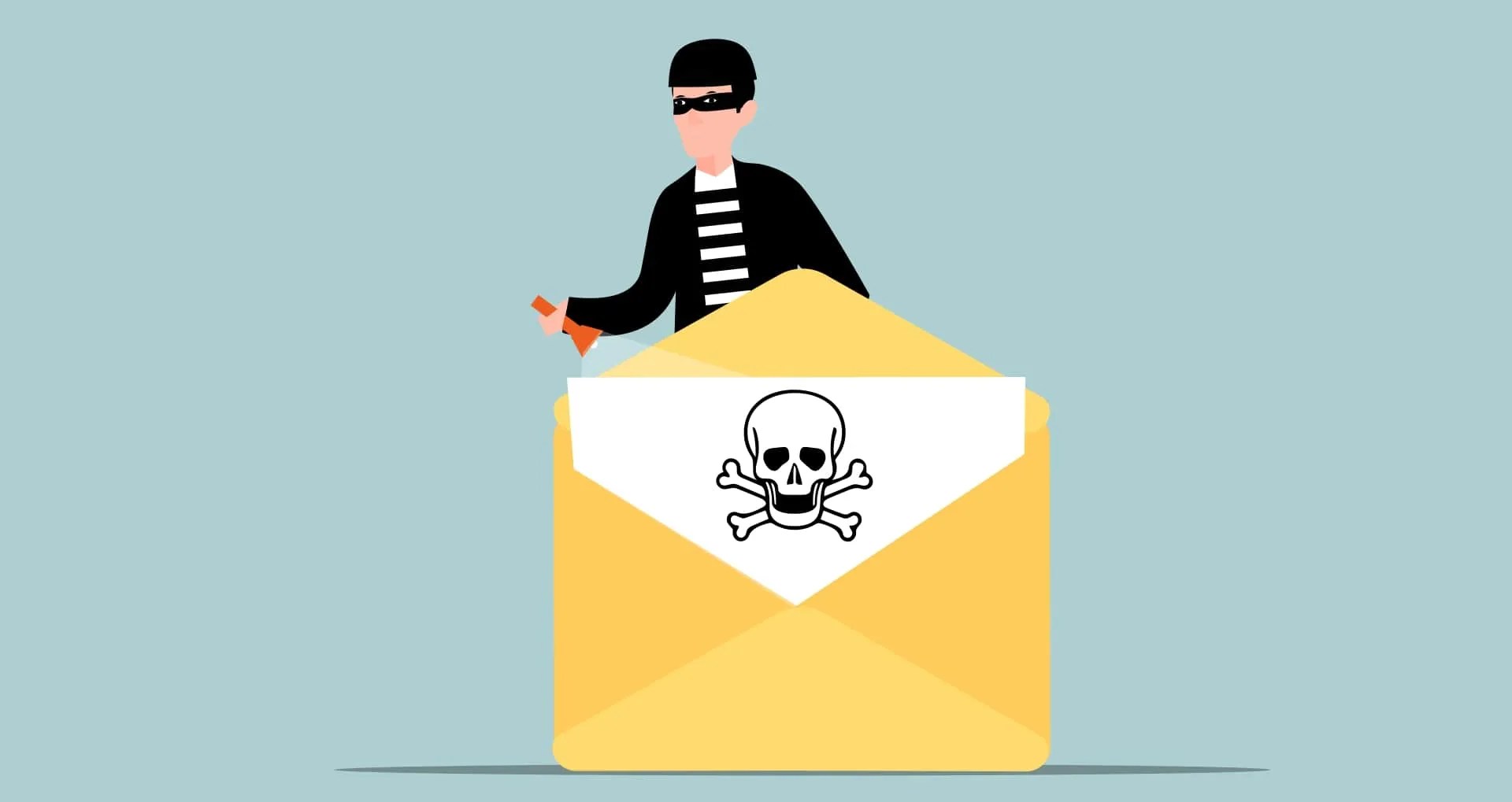
For businesses, a malspam attack could lead to data breaches, which can cause reputational damage and financial losses. It can also lead to the disruption of services, as attackers may be able to gain access to a company’s systems and disrupt operations.
How Can You Protect Yourself From Malspam?
Though malspam can be challenging to detect, there are steps you can take to safeguard yourself or your corporation from becoming a victim of this cybersecurity threat.
Be Careful of Malspam
Malspam is a cybersecurity threat that can be difficult to detect and have devastating consequences for businesses and individuals alike. But by being aware of the signs of malspam, you can help keep your systems safe from malicious attacks.
Organizations should also consider investing in a comprehensive security solution that provides advanced threat protection. The solution should detect and prevent malicious activity before it has a chance to cause harm.
Additionally, organizations should ensure their employees are trained in cybersecurity best practices to help keep their systems safe.
With these effective practices, cybercriminals will struggle to find entry points into your network.
Revolutionize your driving experience with these game-changing CarPlay additions.
Anyone with more than a passing interest in motorsports must see these films.
You’re not getting the most out of what you pay for iCloud+.
It’s not super flashy, but it can help to keep your computer up and running.
Not all true crime is about hacking, slashing, and gore.
